FIRST RESPONDER TRAININGS

Our Commitment
The ORCAS Society of BC is committed to advancing safety, understanding, and fairness for individuals with Autism. This training reflects our broader mission to reduce harm, particularly in interactions with emergency services and to foster positive, informed engagement between first responders and the autism community.
Autism Training for First Responders & Community/Emergency Services
The ORCAS Society of BC’s Autism Training Program is designed to support safer, more respectful, and more effective interactions between individuals with autism and first responders, emergency personnel, and community service providers. Grounded in lived experience and community knowledge, this training addresses real-world challenges that can arise during emergency and high-stress situations.
Our goal is to reduce harm, misunderstandings, and unnecessary escalation by equipping professionals with practical, autism-informed tools they can apply immediately in their roles.
-
Individuals with autism may communicate, process information, or respond to stress differently—especially during emergencies. Without proper understanding, these differences can be misinterpreted, leading to fear, escalation, or unsafe outcomes.
This training helps bridge that gap by:
Increasing understanding of autism in emergency and community settings
Reducing the risk of harm during interactions
Promoting dignity, safety, and fairness for individuals with autism
Supporting first responders and service providers in making informed decisions
-
This program is suitable for:
Police and law enforcement
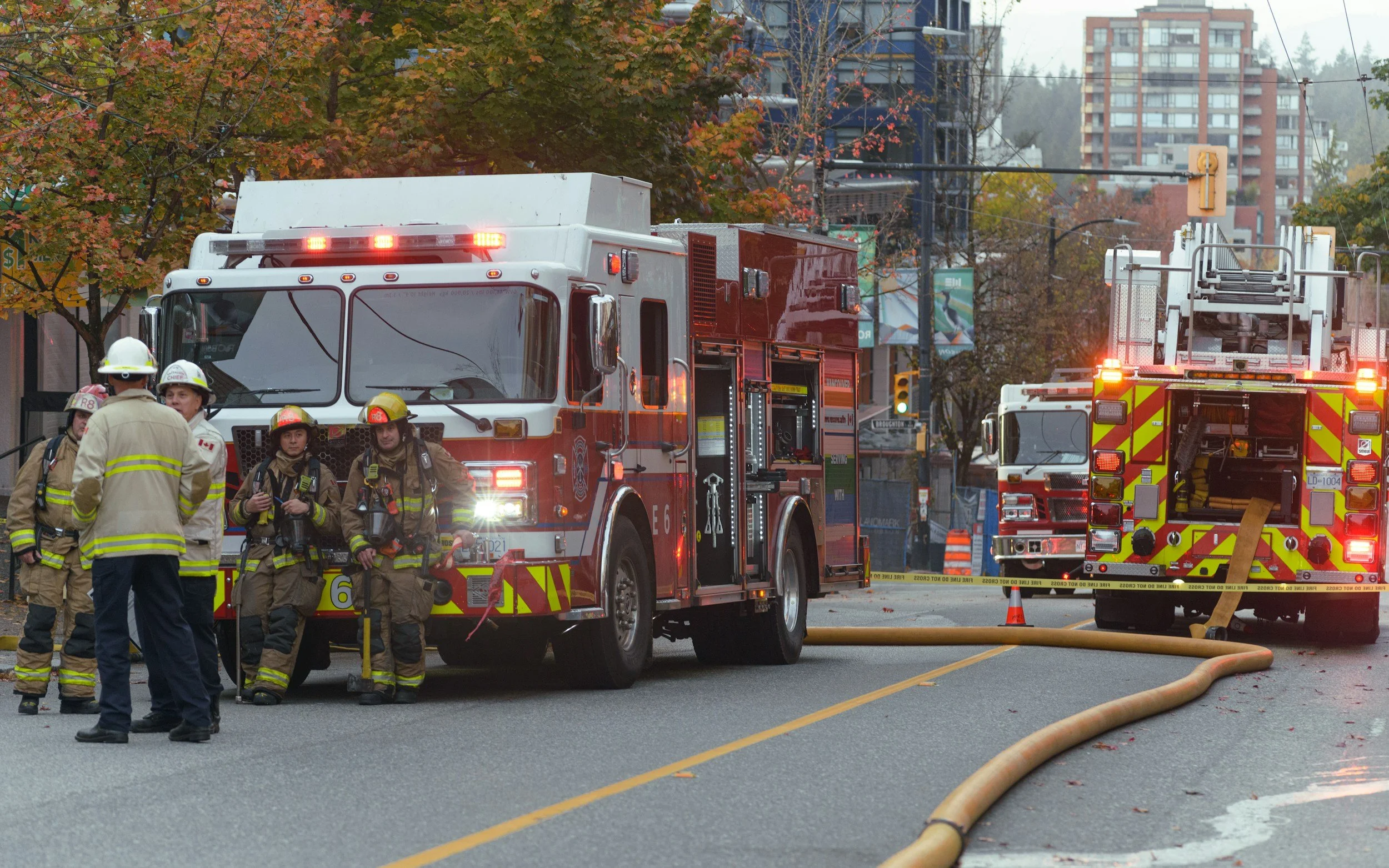
Fire services
Paramedics and emergency medical services
Dispatch and call-takers
Hospital and healthcare providers
Training can be adapted for frontline staff, supervisors, leadership teams, and mixed audiences.
-
Our training is:
• Lived-experience informed – Developed and delivered with insight from individuals with autism and families
• Practical and scenario-based – Focused on real-world application, not theory alone
• Respectful and non-judgmental – Supporting learning in a collaborative environment
• Flexible – Offered in-person or virtually, and tailored to organizational needs
We prioritize open dialogue, reflection, and actionable strategies that participants can confidently use on the job.
-
Participants can expect to:
Improve confidence when interacting with individuals with autism
Reduce misunderstandings and unnecessary escalation
Enhance safety for both community members and responders
Strengthen trust between services and the autism community
Support more equitable and respectful service delivery
Organizations benefit from improved practice, reduced risk, and stronger community relationships.